How to Write a Website Description That Gets Clicks
Practical tips for writing a clear, compelling website description for directory listings and search results.
July 26, 2026 16:26
Two different things get called a "description", and conflating them is why so much advice on this topic is confused. This covers both: the meta description on your own pages, and the description you write when submitting your site to a directory or listing.
The meta description
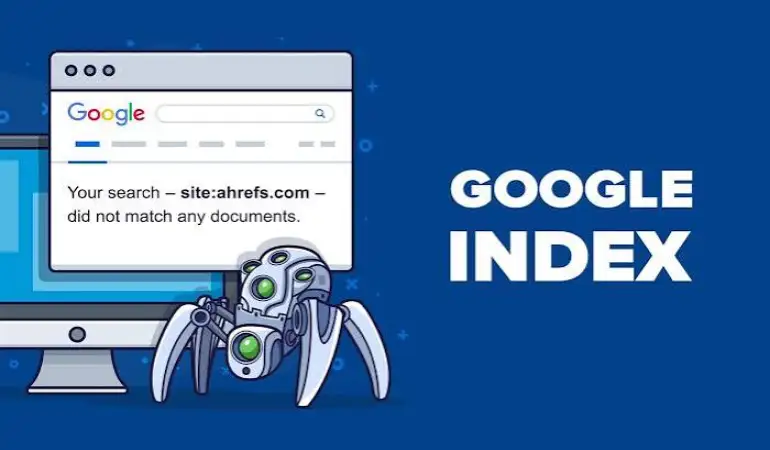
The meta description is the snippet of text that can appear under your title in search results. The first thing to understand about it is that it is not a ranking factor. Google confirmed this years ago and has repeated it since. Writing one will not move you up the results.
What it does affect is whether anyone clicks once you are there, which is not nothing.
The second thing to understand is that Google frequently ignores it. Studies consistently find Google rewrites the description for a majority of results, pulling text from the page instead. It does this when it judges your description to be a poor match for the specific query, which is often, because one description cannot match every query a page ranks for.
So the sensible posture: write one, keep it accurate, and do not spend an hour on it. Around 150 to 160 characters is the usual display limit on desktop, shorter on mobile. Describe what the page actually contains and include the terms someone searching would use, because matched terms are bolded in results, which draws the eye.
What not to do: duplicate the same description across every page, stuff it with keywords, or write something the page does not deliver. The last one is worst, because it produces clicks followed by immediate exits, which helps nobody.
The directory or listing description
This is a different problem with different rules, and it is the one where most people write something useless.
A directory description is read by a human deciding whether to click, and in most directories it sits next to a dozen competitors in the same category. It has one job: make the distinction clear.
Lead with what the site is, in plain words. Not "leading provider of innovative solutions" but "sells reconditioned sewing machine parts". A reader should know within six words whether this is relevant to them.
Say what makes it different. If there are twelve hosting companies in a category, "fast reliable hosting" distinguishes nothing, because all twelve say it. "Hosting aimed at Django applications, with staging environments on every plan" distinguishes something.
Be specific about scope. Geographic coverage, what is included, who it is for. Vagueness reads as evasion.
Do not write in the third person about yourself while pretending to be neutral. "XYZ Ltd is widely regarded as the industry's premier destination" is transparent and slightly embarrassing.
The mistakes that get submissions rejected
Most directories that review submissions at all reject for the same handful of reasons, and they are easy to avoid:
- Keyword stuffing. "Plumber London plumber emergency plumber London plumbing services" is not a description. It is the clearest possible signal that the submission is automated.
- Pure marketing language with no information. A paragraph that could describe any business in any industry describes nothing.
- Copy-pasted text from the site's homepage or from another directory. Duplicate text across listings is worth nothing to anyone, including you.
- ALL CAPS, excessive punctuation, or emoji.
- Wrong category. Submitting to the highest-traffic category rather than the correct one is the most common reason for rejection, and it is self-defeating even when it works.
A practical test
Read your description back and ask whether a competitor could use the identical text without changing a word. If they could, it says nothing about you, and rewriting it is the highest-value thing you can do in the next five minutes.