Free Ways to Promote a New Website That Actually Work in 2026
Free website promotion methods that still work in 2026, from SEO and directories to communities, email, short video, and getting cited by AI tools.
July 08, 2026 14:46
Launching a website is the easy part. Getting real people to visit it is the work that follows, and for a brand new site with no budget it can feel impossible. The good news is that the most reliable ways to promote a website in 2026 cost nothing but time and consistency. This guide covers the free methods that still genuinely work this year, skips the tired tricks that no longer do, and shows you how to spend your limited hours where they actually pay off.
Start with the one channel that compounds: search
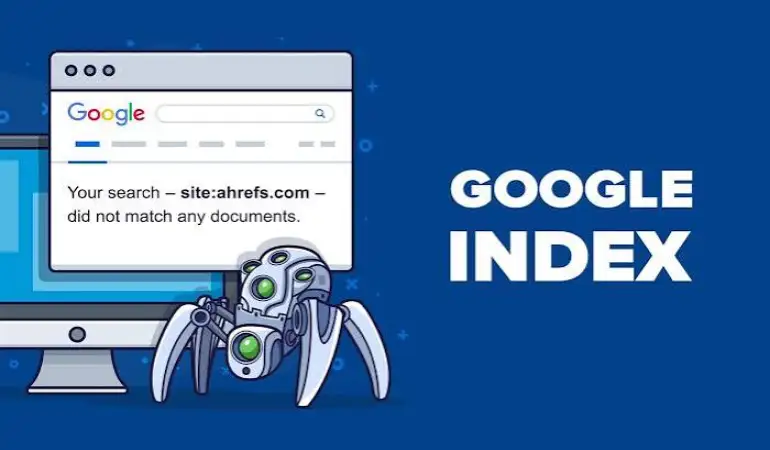
Search engine optimization is slow, but it is the only free channel that keeps sending you visitors long after the work is done. A single helpful article can bring in readers for years, while a social post fades in a day. The basics are not as technical as they sound. Write a clear title and description for every page so search engines understand what it offers. Add honest, descriptive alt text to your images. Make sure your site loads fast and works well on a phone, since most visitors arrive on one. Then set up Google Search Console, which is free, to see which pages are found and fix anything that is broken. Treat search as planting seeds. It rewards patience, and the payoff builds instead of disappearing.
Get listed where people and search engines look for you
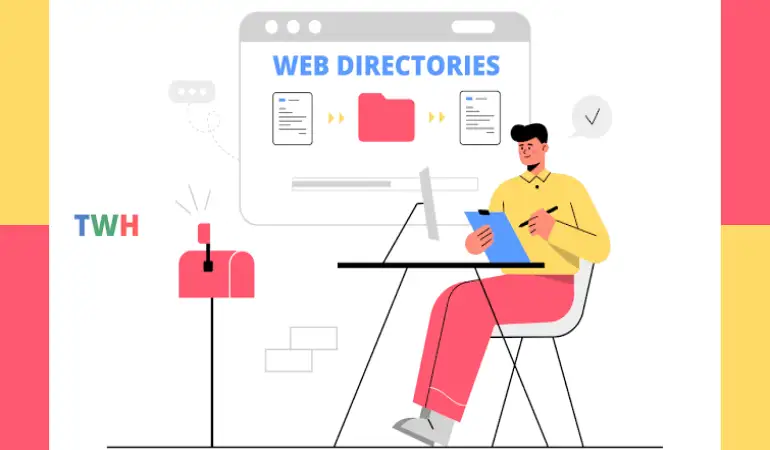
Directory listings remain one of the fastest free ways to add both discoverability and credibility for a new site. At a minimum, claim a Google Business Profile if you have any local element, since it is what shows up in map and near-me searches. Add your site to relevant niche directories that match your topic, because a listing in the right category puts you in front of people already looking for what you offer and gives you a legitimate link at the same time. The key word is relevant. A listing that fits your subject helps, while blasting your link across hundreds of unrelated low quality directories does nothing and can look spammy.
Be genuinely useful in communities
Places like Reddit, Quora, and niche forums are full of people asking the exact questions your site can answer, and joining them is free. The mistake almost everyone makes is treating these spaces like a billboard. Dropping a link and leaving does not work and often gets you removed. The approach that does work is simple: answer questions helpfully, build a little reputation, complete your profile with a link to your site, and share a link only when it genuinely adds to the conversation. Frame it as a resource, not a pitch. When you consistently help, people grow curious about who you are, and that curiosity brings them to your site on its own.
Start an email list from day one
Social platforms can change their rules overnight, but an email list is an audience you actually own. Even a handful of subscribers is worth starting, because these are people who chose to hear from you. Add a simple signup form to your site, offer a small reason to join such as a useful guide or updates, and then send something worth reading on a schedule you can keep. Free tiers from common email tools are more than enough to begin. Over time this becomes a channel you can rely on to bring people back whenever you publish something new, with no algorithm standing in the way.
Use short video, but reuse instead of overworking
Short vertical video on platforms like Reels, TikTok, and Shorts is one of the highest reach free formats in 2026, and you do not need fancy gear to start. A phone and decent lighting are enough. The trick that keeps this sustainable is repurposing rather than creating endlessly from scratch. Take one solid piece of content, such as a guide or a tutorial, and slice it into several short videos, a few social posts, and an email. One core idea can feed a week of promotion across several channels. This is how small teams stay visible without burning out.
Grow through partnerships and simple outreach
You do not have to build your audience entirely on your own. Partnering with other small sites, creators, or businesses in your space exposes you to an audience that already trusts them. This can be as light as writing a helpful guest article for a related blog, swapping a mention in each other's newsletters, or being a guest on a small podcast. When you reach out, keep it short and honest, and lead with what is in it for them and their audience, not just for you. A few genuine relationships often outperform months of shouting into the void alone.
The 2026 shift: get mentioned by AI answers too
A growing share of people now start with an AI tool such as ChatGPT, Perplexity, or Google's AI features instead of scrolling through links, and those tools can send you traffic when they cite your page. You do not need special tricks to benefit. The same habits that help search also help here: give a clear, direct answer near the top of each page, write in plain language, use headings phrased as real questions, and make sure your pages are not blocked from being crawled. Being clearly helpful is now a discovery advantage, because AI tools pull from whichever source answers the question best, and that can be a small site as easily as a large one.
Where to actually spend your limited time
The biggest reason free promotion fails is not picking the wrong method, it is spreading too thin and quitting too soon. You cannot do all of these well at once, and you do not need to. Pick two or three that fit your audience and your strengths, then commit to them consistently for a few months. Almost always, a strong choice is search plus relevant directories plus one channel where your audience actually gathers. Track what works using free tools like Google Analytics and Search Console, then double down on whatever brings real visitors. Consistency beats variety every time.
Frequently asked questions
How long before free promotion brings traffic?
It depends on the channel. Community engagement and social video can bring visitors within days, while search and email build more slowly over weeks and months. The tradeoff is that the slow channels tend to last, so a healthy plan mixes a quick channel with a compounding one.
Is submitting to directories still worth it in 2026?
Yes, as long as they are relevant to your topic. A listing in the right category helps people discover you and adds a legitimate link. Avoid mass submission to unrelated low quality directories, which wastes time and adds nothing.
Do I need to be on every social platform?
No, and trying to be usually backfires. Choose the one or two platforms where your target audience actually spends time and post there consistently. Presence with focus beats presence everywhere.
Can I really compete with bigger sites for free?
On broad, crowded topics it is hard, but on specific, focused topics a small helpful site can absolutely win. Narrow your angle, answer real questions better than anyone else, and you can earn both search visibility and AI citations without a budget.
Key takeaways
Free website promotion works in 2026, but only with focus and patience. Search and email are the channels that compound, directories add fast discoverability and credibility, communities reward genuine helpfulness over link dropping, and short video plus light partnerships extend your reach without a budget. The 2026 addition is making your pages easy for AI tools to read and cite, which flows naturally from writing clearly and answering real questions. Pick two or three methods that fit your audience, commit to them consistently, measure with free tools, and double down on what brings real visitors. Steady effort in a few good channels will always beat scattered effort across all of them.
Related reading on Rivaf: see our guides on submitting your website to web directories, getting your site indexed by Google faster, and how AI is changing the way people find websites in 2026.