
How to Choose the Right Category When Listing Your Website
How to pick the right directory category for your website so the right people find you, your listing looks credible, and the link actually helps.
July 08, 2026 14:52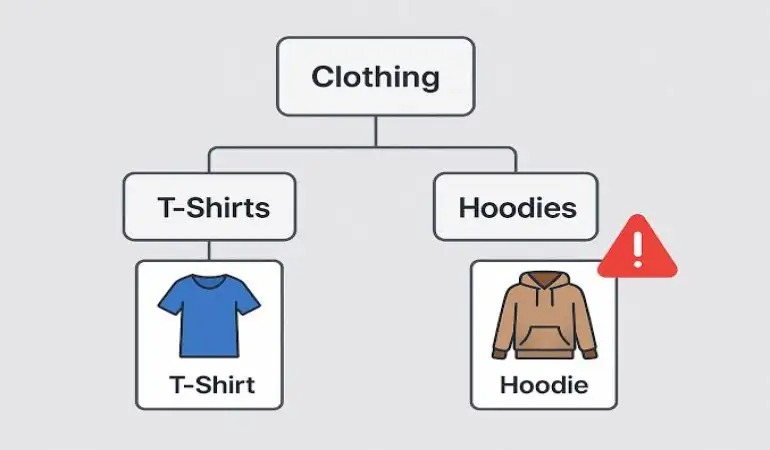
When you submit your website to a directory, one small choice quietly decides how much value the listing gives you: the category you pick. Choose well and the right people find you, your listing looks credible, and the link makes sense to search engines. Choose carelessly and your site gets buried among unrelated listings where nobody is looking. This guide shows you how to pick the category that actually helps, using plain steps you can apply to any directory.
Why the category matters more than it looks
A category is not just a label. It shapes three things at once. First, discovery: people browsing a directory usually drill into the category that matches their need, so the right one puts you in front of an audience already looking for what you offer. Second, relevance: a listing that sits among related sites signals to both visitors and search engines that your site belongs there, which makes the link more meaningful. Third, credibility: a site filed under a fitting category looks intentional and trustworthy, while a random placement looks careless or spammy. Getting this one choice right is the difference between a listing that quietly works and one that does nothing.
Start by describing what your site actually does
Before you look at any category list, write one plain sentence that answers what your site is and who it is for. Not what you wish it were, but what a visitor actually finds when they arrive. For example, "an online store selling handmade leather wallets" or "a blog reviewing budget smartphones" or "a local plumbing service in Madurai." This sentence is your anchor. The best category is the one that a stranger reading your sentence would expect to find your site under. If your sentence covers two things, pick the one that is truly your main focus, since that is where your ideal visitor will look first.
Match the specific over the general
Most directories offer broad top-level categories and narrower subcategories beneath them. When a specific subcategory fits, choose it over the broad parent. A wallet shop belongs under a specific Fashion or Accessories subcategory, not simply under Shopping. The narrower category has less competition for attention and attracts people with a clearer intent, so your listing stands out more and reaches a better-matched audience. The broad category is a fallback for when nothing more specific exists, not the default. As a rule, go as specific as the directory allows while still being accurate.
Think like the person searching, not like the owner
Owners often categorize by how they think about their business internally, which is not always how a visitor would look for it. A yoga studio owner might think first of Wellness Philosophy, while the customer is browsing Fitness or Local Classes. The trick is to imagine a real person who needs what you offer and ask which category they would open first. If you are unsure, picture a friend who has never seen your site and ask where they would expect to find it. Matching the visitor's mental map beats matching your own every time.
Pick one strong category, not many weak ones
Some directories let you choose several categories, and it is tempting to select as many as possible to "cover all bases." Resist this. Listing under categories that only loosely apply spreads you thin, weakens the relevance signal, and can look like you are gaming the system. One category that fits perfectly is worth more than five that sort of fit. If the directory truly allows multiple and two genuinely describe your site, choose the two most accurate ones, with your main focus first. Beyond that, more categories add noise, not value.
Watch for these common mistakes
A few errors show up again and again. Choosing a high-traffic category that does not match your site, hoping for more views, only brings visitors who bounce immediately, which helps no one. Filing a niche site under an overly broad category buries it among thousands of unrelated listings. Picking a trendy category because it sounds impressive, rather than the one that describes your actual content, confuses visitors. And forcing your site into a category simply because the perfect one is missing is better solved by choosing the closest honest fit and, if the directory allows, suggesting a new category. Accuracy always beats cleverness here.
When your site fits more than one category
Plenty of sites legitimately span topics. A travel blog that also sells photography prints, or a bakery that also runs classes, has a real choice to make. Decide based on your primary purpose: what do most visitors come to do, and what is the main thing you want the listing to drive? Choose the category for that primary purpose. If the directory supports a secondary category and the second topic is a substantial part of your site, add it as the secondary, not the lead. Keep the listing honest to what dominates your site, and let the strongest use case lead.
Frequently asked questions
Should I pick the category with the most listings or the fewest?
Neither number should decide it on its own. Pick the category that most accurately matches your site. That said, when two categories fit equally well, a more specific one with fewer, closely related listings often gives your site more visibility than a crowded broad one.
What if none of the categories fit my website?
Choose the closest honest match rather than forcing your site somewhere unrelated. Many directories let you suggest a new category or add a description, so use that to clarify. A slightly imperfect but relevant category always beats an impressive but wrong one.
Can choosing the wrong category hurt my SEO?
It mainly wastes the opportunity: a mismatched listing sends you visitors who leave at once and weakens the relevance of the link. It is less about a direct penalty and more about losing the value a well-placed listing would have given you. Relevance is what makes a directory link worthwhile.
Is it worth updating my category later?
Yes, if your site's focus shifts or you realize a better fit exists. Listings are not set in stone, and keeping your category accurate as your site evolves ensures it keeps reaching the right audience. Revisit it whenever your main offering changes.
Key takeaways
The category you choose when listing your website decides who discovers you, how relevant your listing looks, and how credible it appears. Start by writing one honest sentence about what your site does and who it is for, then match it to the most specific accurate category rather than a broad one. Think like the visitor searching, not like the owner, pick one strong category instead of several weak ones, and avoid the temptation to chase high-traffic or trendy categories that do not fit. When your site spans topics, lead with its primary purpose. Get this small choice right and every directory listing you make will work harder for you.
Related reading on Rivaf: see our guides on submitting your website to web directories, writing a website description that gets clicks, and free ways to promote a new website in 2026.